Are all micronutrients essential for your health? All classified vitamins and minerals are required by your body for your health and health because your body cannot synthesize most of this on its own.
There are about close to 30 vitamins and minerals that your body can’t manufacture in enormous amounts on its own. The five micronutrients that will help to boost your immune system is Vitamin C, Vitamin B6, Vitamin E, Magnesium, Zinc.
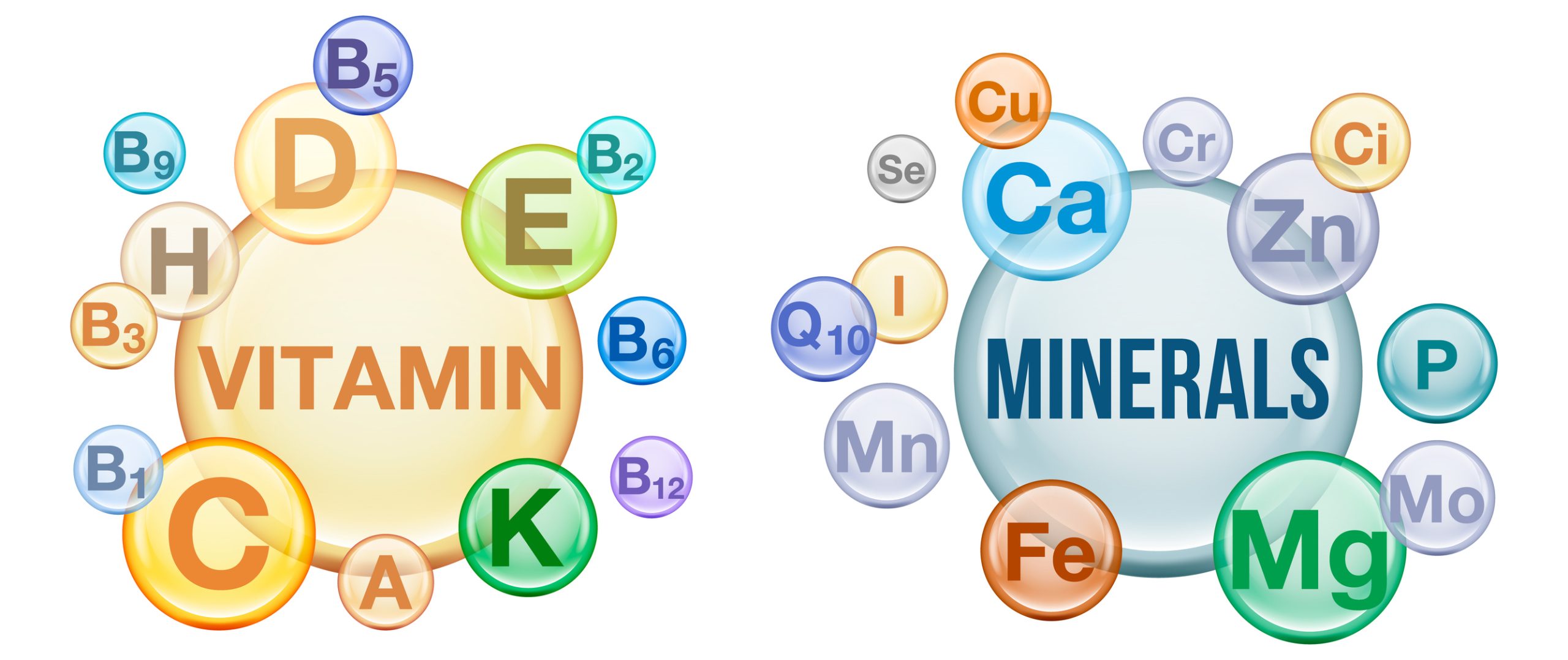
Are all micronutrients essential for your health? iStock-photo credit: Serhii Brovko
Here are Vitamins and Minerals That Are Essential For Your Health:
Vitamin A– Supports your immune system, metabolism and vision.
Vitamin B-12- This helps to support your blood vessels, brain, immune system, nervous system.
Vitamin C– This helps to heal wounds and boost your immune system.
Vitamin D– Helps to build and maintain healthy bones while supporting brain health and your immune system.
Vitamin E– This helps to protect your cells while maintain the health of your red blood cells. The Vitamin supports your brain, eyes, skin.
Vitamin K– This helps to prevent excessive bleeding while helping your blood to clot.
Here are other minerals that are micronutrients that your body needs:
Calcium– Helps to build strong bones while supporting your heart, muscles and nervous system.
Copper– Supports brain health, nervous system and immune system.
Potassium-It helps to support blood pressure levels while supporting muscle health.
Selenium– Supports thyroid and reproductive health.
Zinc– Helps to boost your immune system while protecting your eye health.
Iron– Help your body make hemoglobin and optimize it. It helps to provide oxygen to the muscles.
Iodine– promotes brain development and thyroid health.
When you have proper nutrition and a good balance of micronutrients, then you put yourself in a position to lower the risk of so many chronic health diseases such as diabetes, heart disease, stroke, etc.
Research studies show the best way to get adequate vitamins and minerals is from food sources. Research studies have also shown that having iron and copper in your diet can help slow the progression of Alzheimer’s disease.
The food sources that come from the Vitamins are the following:
Vitamin B1– Whole grains, meat, fish
Vitamin B2– Organ meats, eggs, milk
Vitamin B3– meat, salmon, leafy greens, beans
Vitamin B5– mushrooms, tuna, avocado
Vitamin B6– Fish, milk, carrots, potatoes
Vitamin B7– Eggs, almonds, spinach, sweet potatoes
Vitamin B9– Beef, liver, spinach, asparagus
Vitamin B12– Clams, fish, meat
Vitamin C– Citrus Fruits, bell peppers, Brussel Sprouts
The Bottom Line is the micronutrients that are essential for your health are Vitamin A, Vitamin B-12, Vitamin C, Vitamin D, Vitamin E, Vitamin K, etc.
If you have any interest in trying any of our online diet and weight loss programs to help you shed body fat and achieve your best body, then click on the link below.
About Author- Obi Obadike
About Obi Obadike – Welcome to Obi Obadike | World Renowned Fitness Expert
References
- Fei HX, Qian CF, Wu XM, Wei YH, Huang JY, Wei LH. Role of micronutrients in Alzheimer’s disease: Review of available evidence. World J Clin Cases. 2022 Aug 6;10(22):7631-7641. doi: 10.12998/wjcc.v10.i22.7631. PMID: 36158513; PMCID: PMC9372870.
- Yakoob MY, Lo CW. Nutrition (Micronutrients) in Child Growth and Development: A Systematic Review on Current Evidence, Recommendations and Opportunities for Further Research. J Dev Behav Pediatr. 2017 Oct;38(8):665-679. doi: 10.1097/DBP.0000000000000482. PMID: 28746059.
- Gombart AF, Pierre A, Maggini S. A Review of Micronutrients and the Immune System-Working in Harmony to Reduce the Risk of Infection. Nutrients. 2020 Jan 16;12(1):236. doi: 10.3390/nu12010236. PMID: 31963293; PMCID: PMC7019735.
- Fei HX, Qian CF, Wu XM, Wei YH, Huang JY, Wei LH. Role of micronutrients in Alzheimer’s disease: Review of available evidence. World J Clin Cases. 2022 Aug 6;10(22):7631-7641. doi: 10.12998/wjcc.v10.i22.7631. PMID: 36158513; PMCID: PMC9372870.