What is Macros? Macros are short for macronutrients which are the three components your body needs to function properly. And those three components are protein, fats and carbohydrates. Each type of macro provides a certain amount of energy so let’s talk about how much energy each provides.
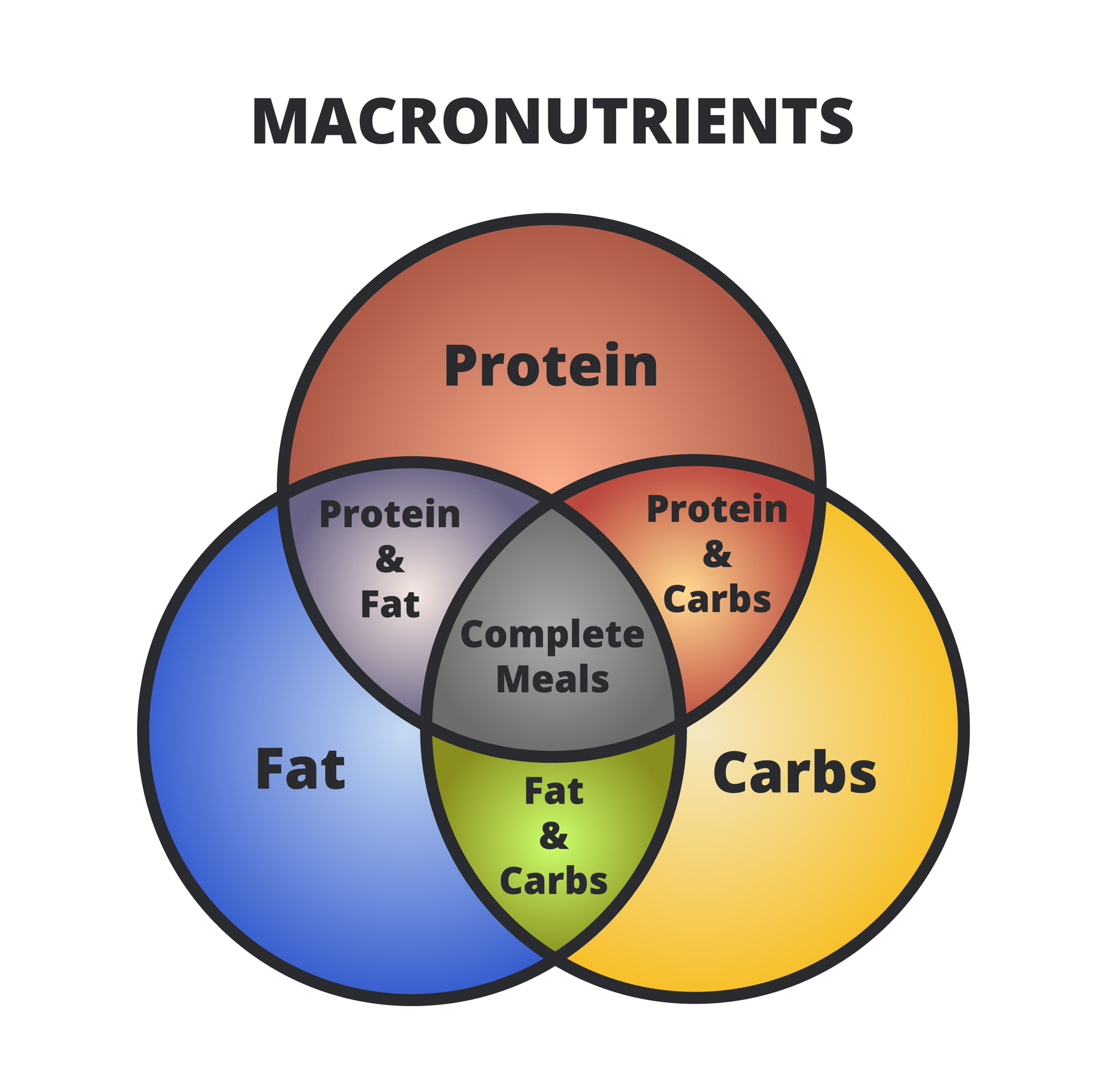
What is Macros? iStock-photo credit: petrroudny
Protein– This provides 4 calories per gram, and it helps to build and repair lean muscle mass. It helps to support the immune system and the types of foods that are considered protein foods are eggs, fish, chicken, meat. Etc.
Carbohydrates– This provides 4 calories per gram. The macronutrient is your main source of energy. And this helps with your workouts and basic day-to-day tasks. The food sources that are carbs are fruits, vegetables, grains, beans, etc.
Fats– This provides 9 calories per gram and the benefits of this is providing stored energy, protecting your organs while absorbing vitamins and producing energy. The food sources for this are fatty fish, nuts, avocado, butter, etc.
Most people in our society look at carbohydrates as a bad thing or the enemy. And many of them don’t know that carbs provide you with the energy necessary to function throughout the day. Complex carbohydrates can be found in whole grains such as oatmeal, rice, quinoa, etc.
There are two different types of carbohydrates which are fiber and starches.
Fiber can be found in fruits, vegetables, whole grains, etc.
Starches can be found in oats, grains, potatoes, corn, etc.
Fats
When it comes to fats people think that eating fats is a bad thing to eat. And so, this also creates a bad reputation for what is considered healthy to eat.
There is a saying that all fats are not treated equal so let’s talk about the 3 different fats below:
Saturated Fats
These types of fats are found in red meat, cheese, dairy, etc. Eating a high amount of saturated fat is linked to a higher risk of heart disease. It is advisable to limit your saturated fat intake to less than 10% of your overall calories.
Trans Fats
These types of fats are used commonly in processed and fried foods. If you eat a high amount of this it can increase the risk of heart disease, stroke, diabetes, etc.
Unsaturated Fats
This type of fats is better for your overall body, heart and health. This is found in Omega 3 and Omega 6 fatty acids food such as nuts and avocados.
These are some of the healthiest food sources which are Avocados, flaxseeds oils, salmon, tuna, nuts, etc.
This is the USDA starting recommended daily macronutrient breakdown:
- 10% to 35% of your calories come from protein.
- 20% to 35% of your calories come from fat.
- 45% to 65% of your calories come from carbs.
How you determine your needs is by your age, lifestyle, genetics, activity level, healthy goals, etc. Your macronutrient ratio will increase depending on your specific fitness goals as well as your overall daily total calories. If you want to add more lean muscle, then you would need to consume at least 0.9 grams of protein per pound.
The Bottom Line is macros is short for macronutrients which are important components that your body needs to function properly. Making adjustments in your macronutrients is predicated on your health goals. If you want more energy, you will increase your carbs and if you want more muscle, you will increase your protein intake.
If you have any interest in trying any of our online diet and weight loss programs to help you shed body fat and achieve your best body, then click on the link below.
About Author- Obi Obadike
About Obi Obadike – Welcome to Obi Obadike | World Renowned Fitness Expert
Sharecare Names Top 10 Fittest Cities in America – Sharecare
References
- Jäger R, Kerksick CM, Campbell BI, Cribb PJ, Wells SD, Skwiat TM, Purpura M, Ziegenfuss TN, Ferrando AA, Arent SM, Smith-Ryan AE, Stout JR, Arciero PJ, Ormsbee MJ, Taylor LW, Wilborn CD, Kalman DS, Kreider RB, Willoughby DS, Hoffman JR, Krzykowski JL, Antonio J. International Society of Sports Nutrition Position Stand: protein and exercise. J Int Soc Sports Nutr. 2017 Jun 20;14:20. doi: 10.1186/s12970-017-0177-8. PMID: 28642676; PMCID: PMC5477153.