Is spicy food good for you? It is good for you if you consume it within moderation. There was a 2015 research study by the Harvard and China National Center for Disease Control and Prevention that revealed that eating spicy food just once a day lowered mortality rates by 14%.
The association between spicy food consumption and total mortality was stronger among people who didn’t drink alcohol compared to those who did.
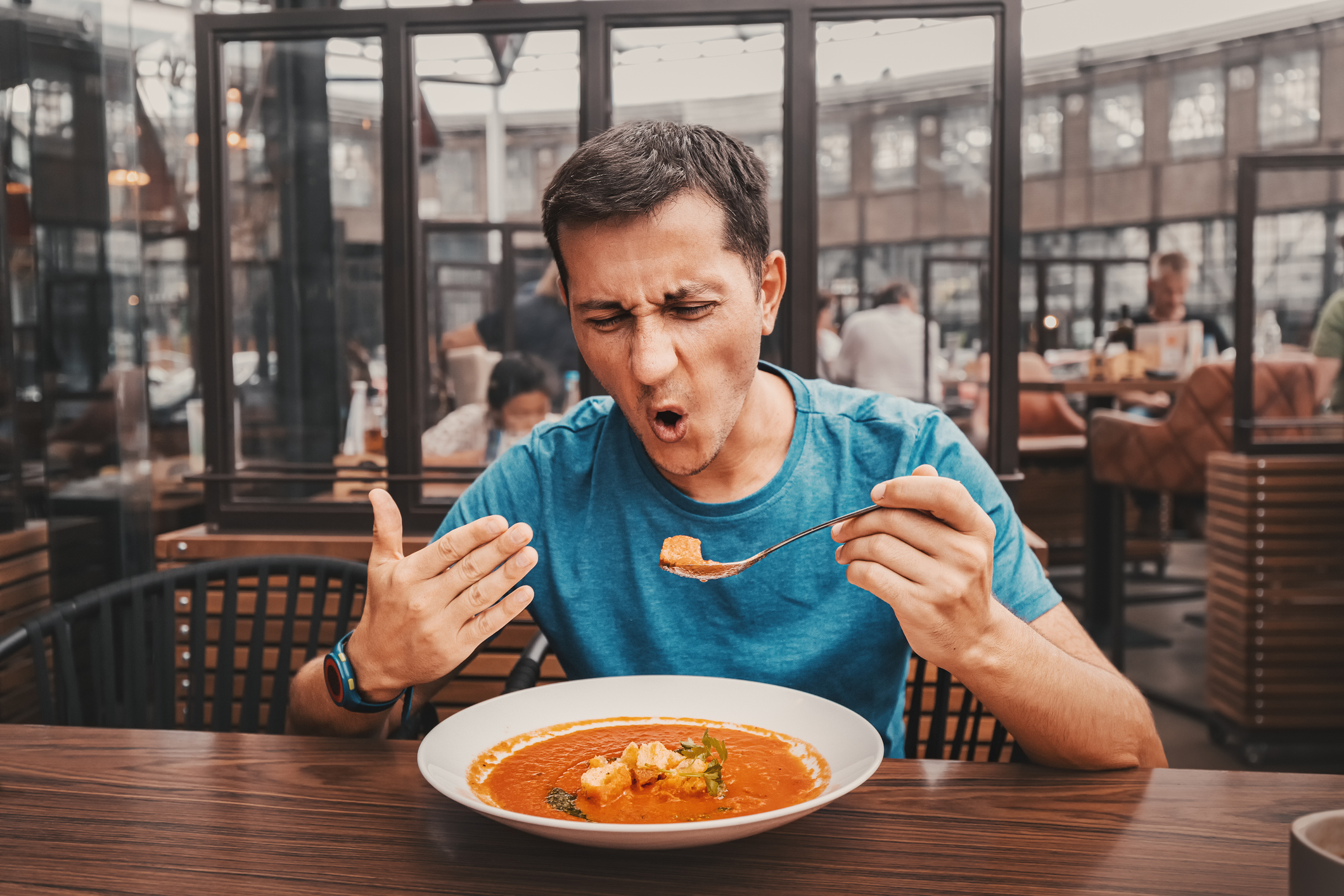
Is spicy food good for you? iStock-photo credit: frantic00
Certain spices such as curcumin are a compound in turmeric. And it has been shown to reduce inflammation in the body. Capsaicin is an active component in chili peppers. And it was found in a UCLA study in mice to inhibit the growth of prostate cancer cells. And it did this while leaving healthy cells unharmed.
Turmeric, which is in spices, has powerful antioxidants and antimicrobial properties which can be used to protect against harmful bacteria in the body.
Spicy Food and Weight Loss
There was a metanalysis that was done on 90 different studies on the role of capsaicin on weight management. The analysis found that spicy foods helped reduce your appetite and increased energy expenditure.
Spicy Food And Stomach Pain
A study revealed that eating spicy food more than 10 times per week was 92% more likely to have IBS compared to those who didn’t eat spicy foods. Frequent consumption of spicy foods can trigger upper gastrointestinal symptoms.
Spicy Food and Hemorrhoids
Eating spicy food won’t cause hemorrhoids but you will feel the burn in your anal fissures.
The Bottom Line is spicy food is good for you if you eat it within moderation. Studies show it can lower mortality rates by 14%. Curcumin in spicy food can help reduce inflammation in the body. The role of capsaicin can help with reducing your appetite.
If you have any interest in trying any of our online diet and weight loss programs to help you shed body fat and achieve your best body, then click on the link below.
About Author- Obi Obadike
About Obi Obadike – Welcome to Obi Obadike | World Renowned Fitness Expert
Sharecare Names Top 10 Fittest Cities in America – Sharecare
References
- Lee SY, Masaoka T, Han HS, Matsuzaki J, Hong MJ, Fukuhara S, Choi HS, Suzuki H. A prospective study on symptom generation according to spicy food intake and TRPV1 genotypes in functional dyspepsia patients. Neurogastroenterol Motil. 2016 Sep;28(9):1401-8. doi: 10.1111/nmo.12841. Epub 2016 Apr 19. PMID: 27094759.
- Whiting S, Derbyshire E, Tiwari BK. Capsaicinoids and capsinoids. A potential role for weight management? A systematic review of the evidence. Appetite. 2012 Oct;59(2):341-8. doi: 10.1016/j.appet.2012.05.015. Epub 2012 May 22. PMID: 22634197.
- Consumption of spicy foods and total and cause specific mortality: population based cohort study
BMJ 2015; 351 doi: https://doi.org/10.1136/bmj.h3942 (Published 04 August 2015)Cite this as: BMJ 2015;351:h3942
- Akhtar N, Haqqi TM. Current nutraceuticals in the management of osteoarthritis: a review. Ther Adv Musculoskelet Dis. 2012 Jun;4(3):181-207. doi: 10.1177/1759720X11436238. PMID: 22850529; PMCID: PMC3400101.