Is 500mg of magnesium too much? The recommended maximum daily dosage of magnesium for adult males is 420mg. And for women it is 350 mg. It is important to know that your age and present health condition will influence the amount of dosage that you need. Studies show that 50% of people don’t get enough magnesium in their diet.
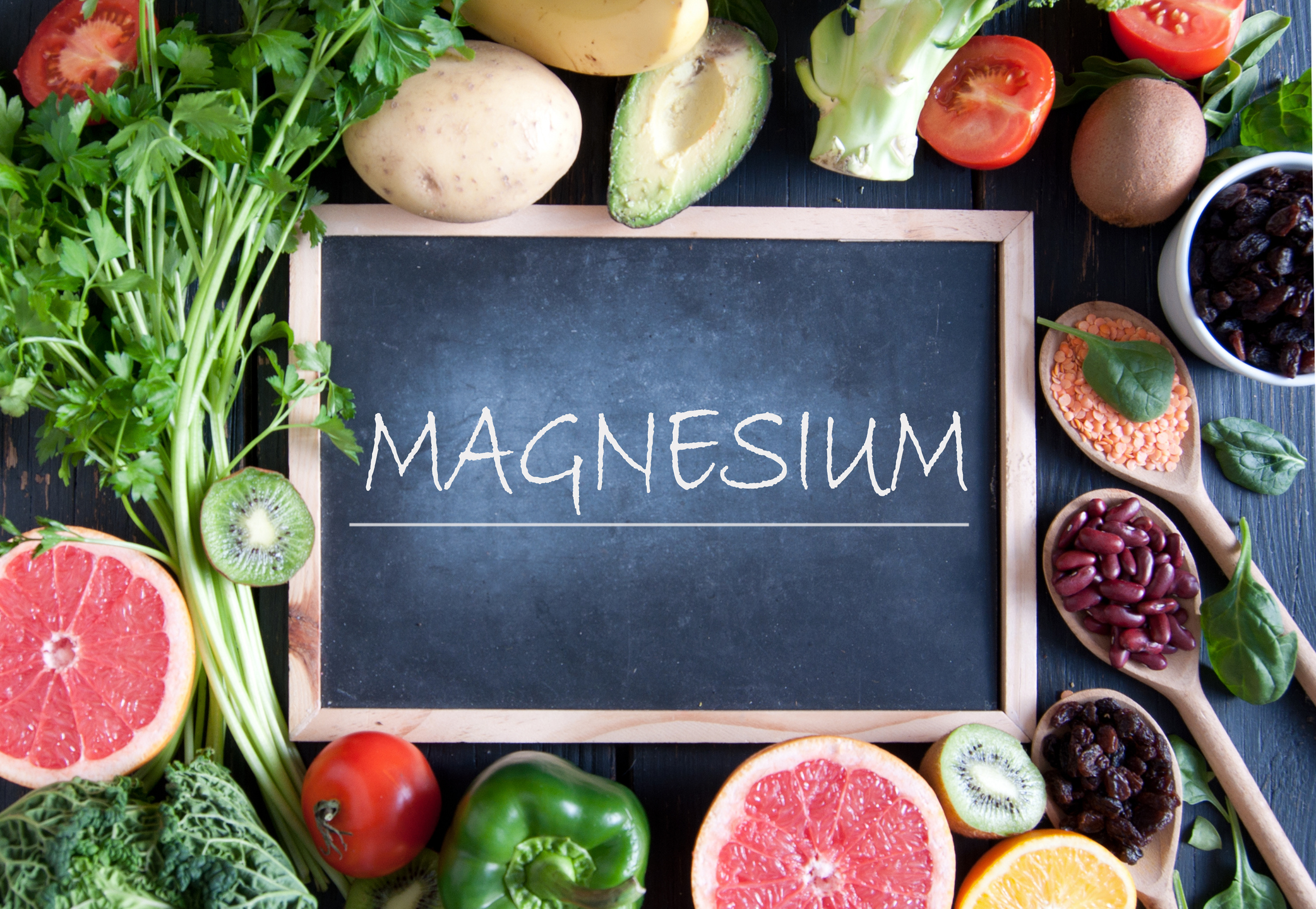
Is 500mg of magnesium too much? iStock-photo credit: CharlieAJA
Magnesium supplements like magnesium hydroxide, magnesium oxide, and magnesium citrate help with relieving constipation. And how it does this is by pulling water into the intestines while adding water, bulk and weight to your stool. This helps to soften your stool while making it easier to leave your body.
The standard dosage for magnesium citrate is 240 milliliters per day which is taken orally with water.
Another positive benefit of maintaining an adequate amount of magnesium is it helps with getting a good night’s sleep. There was a 2021 study that showed that older adults that took anywhere from 320 to 720 mg of magnesium per day from magnesium citrate were able to fall asleep faster than the placebo group.
One of the biggest reasons why people experience muscle cramps is because they are experiencing magnesium deficiency. A 2002 research study revealed that participants who took 300 mg of magnesium daily for 6 weeks had fewer muscle cramps compared to the placebo group.
A 2012 study also showed that pregnant women who took magnesium supplements reduced the frequency of leg cramps compared to a placebo group. A 2021 study found that there is inconclusive evidence that magnesium helps with muscle cramps. So, it is safe to say that the research on magnesium supplements solving muscle cramps is mixed.
Magnesium has been shown in a research study to improve Premenstrual syndrome also known as PMS. A 1998 research study revealed that 200 mg of magnesium improved water retention from PMS. A 2010 research study showed that supplementing 250 mg of magnesium relieved more PMS symptoms when supplementing it with Vitamin B6.
Again, it is important to understand if you take anything more than 420 mg of Magnesium that would be considered Magnesium toxicity. And this means it would be too much for your body to handle.
The Bottom Line is the recommended dosage of magnesium for male adults is 420 mg and for women it is 350 mg.
If you have any interest in trying any of our online diet and weight loss programs to help you shed body fat and achieve your best body, then click on the link below.
About Author- Obi Obadike
About Obi Obadike – Welcome to Obi Obadike | World Renowned Fitness Expert
Sharecare Names Top 10 Fittest Cities in America – Sharecare
References
- Walker AF, De Souza MC, Vickers MF, Abeyasekera S, Collins ML, Trinca LA. Magnesium supplementation alleviates premenstrual symptoms of fluid retention. J Womens Health. 1998 Nov;7(9):1157-65. doi: 10.1089/jwh.1998.7.1157. PMID: 9861593.
- Fathizadeh N, Ebrahimi E, Valiani M, Tavakoli N, Yar MH. Evaluating the effect of magnesium and magnesium plus vitamin B6 supplement on the severity of premenstrual syndrome. Iran J Nurs Midwifery Res. 2010 Dec;15(Suppl 1):401-5. PMID: 22069417; PMCID: PMC3208934.
- Parazzini F, Di Martino M, Pellegrino P. Magnesium in the gynecological practice: a literature review. Magnes Res. 2017 Feb 1;30(1):1-7. English. doi: 10.1684/mrh.2017.0419. PMID: 28392498.
- Roffe C, Sills S, Crome P, Jones P. Randomised, cross-over, placebo controlled trial of magnesium citrate in the treatment of chronic persistent leg cramps. Med Sci Monit. 2002 May;8(5):CR326-30. PMID: 12011773.
- Supakatisant C, Phupong V. Oral magnesium for relief in pregnancy-induced leg cramps: a randomised controlled trial. Matern Child Nutr. 2015 Apr;11(2):139-45. doi: 10.1111/j.1740-8709.2012.00440.x. Epub 2012 Aug 22. PMID: 22909270; PMCID: PMC6860204.
- Moretti A. What is the role of magnesium for skeletal muscle cramps? A Cochrane Review summary with commentary. J Musculoskelet Neuronal Interact. 2021 Mar 1;21(1):1-3. PMID: 33657750; PMCID: PMC8020016.
- Razzaque MS. Magnesium: Are We Consuming Enough? Nutrients. 2018 Dec 2;10(12):1863. doi: 10.3390/nu10121863. PMID: 30513803; PMCID: PMC6316205.